February 11, 2026
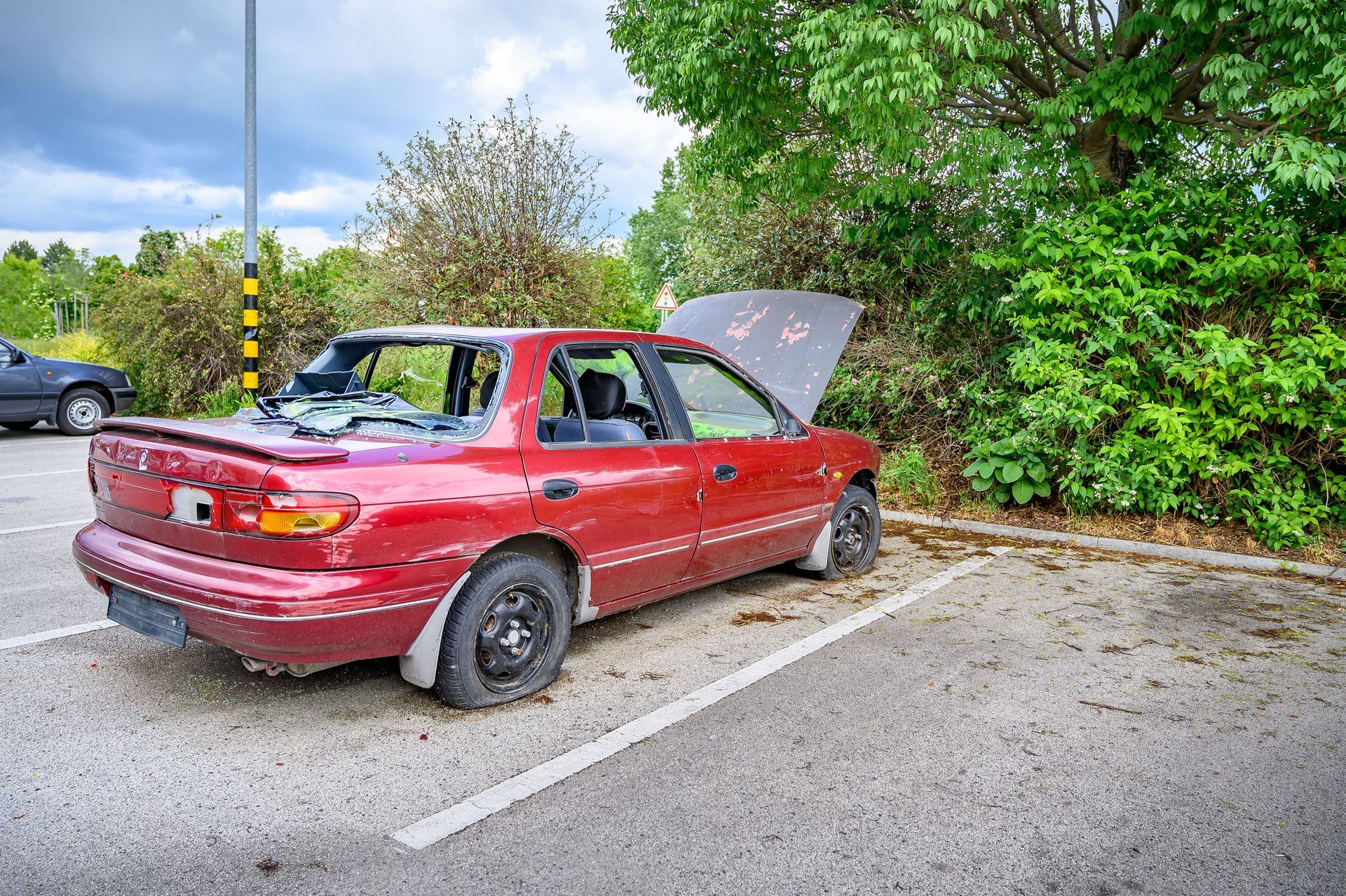
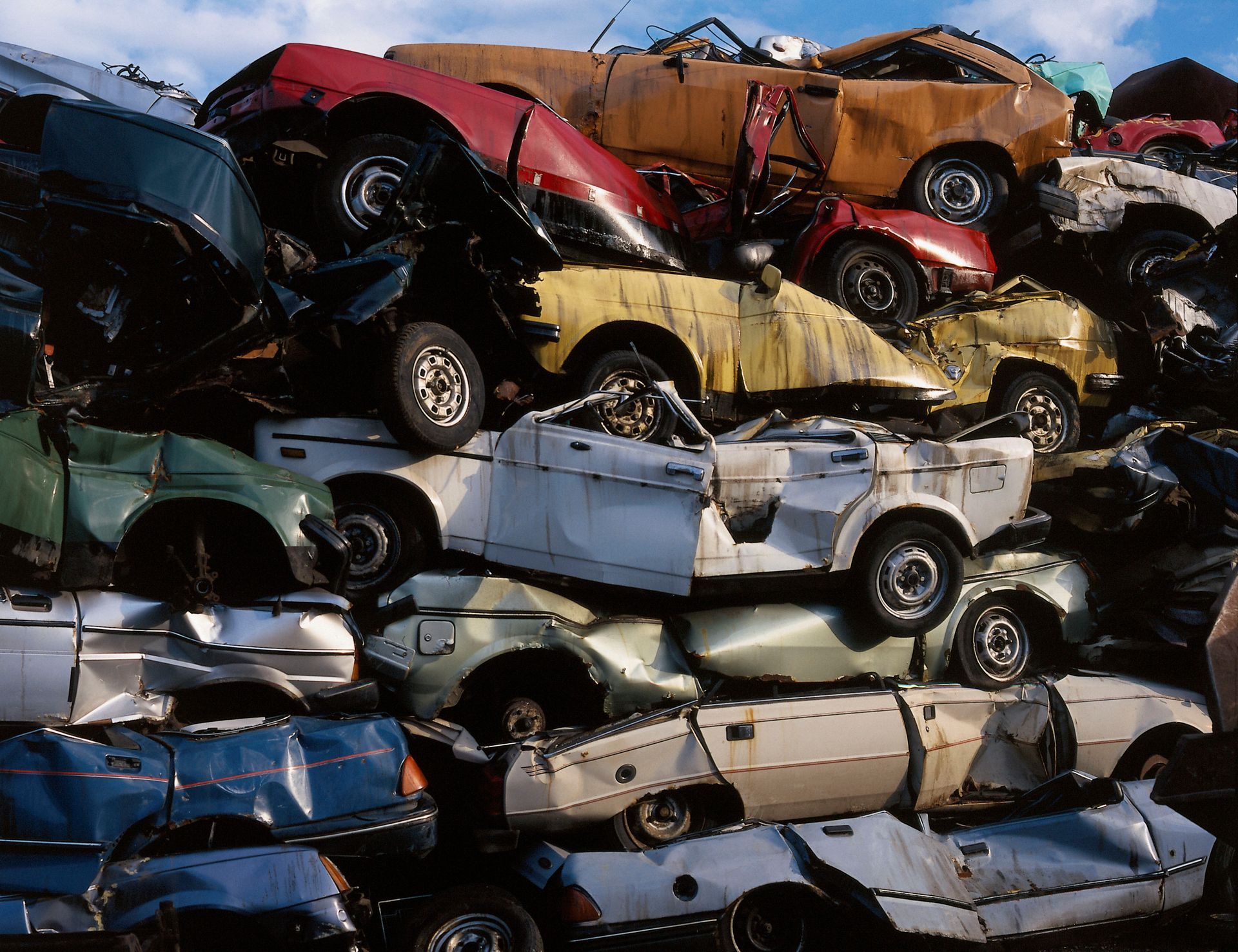
Removing scrap vehicles is rarely as simple as attaching a tow line and driving away. Towing scrap services regularly encounter abandoned, damaged, or end-of-life vehicles in locations and conditions that demand far more than standard towing expertise. From cars lodged in remote terrain to vehicles leaking hazardous fluids or trapped in confined urban spaces, each removal presents a unique set of operational, safety, and legal challenges. Successfully managing these situations requires careful planning, specialized equipment, trained personnel, and strict adherence to environmental and regulatory standards.
By examining their processes, safety protocols, equipment choices, environmental considerations, and legal responsibilities, readers gain a comprehensive view of how these operations are conducted efficiently and responsibly, even under the most challenging circumstances.
1. What Is the Process for Towing Scrap Vehicles?
1.1. Initial Assessment and Evaluation
The initial phase of any towing scrap operation begins with a meticulous assessment and evaluation. According to ScrapCarComparison, the average mileage of a salvaged car in 2024 is about 123,366 miles. Professionals must evaluate the condition of the vehicle to determine the risks and complexities associated with its removal. This step is crucial, as it influences the choice of equipment and strategy. Moreover, experts gauge factors such as vehicle weight, location, and fragility to ensure a bespoke removal plan.
While assessing the vehicle, salvage companies also document any hazardous materials present, such as leaking fluids or chemicals. The findings from the initial assessment help inform the removal approach, ensuring both safety and efficiency. Thorough documentation also assists in creating a seamless handover to recycling facilities, which require data on the vehicle’s condition. Henceforth, this evaluation stage forms the backbone of effective scrap towing services.
1.2. Equipment Utilization
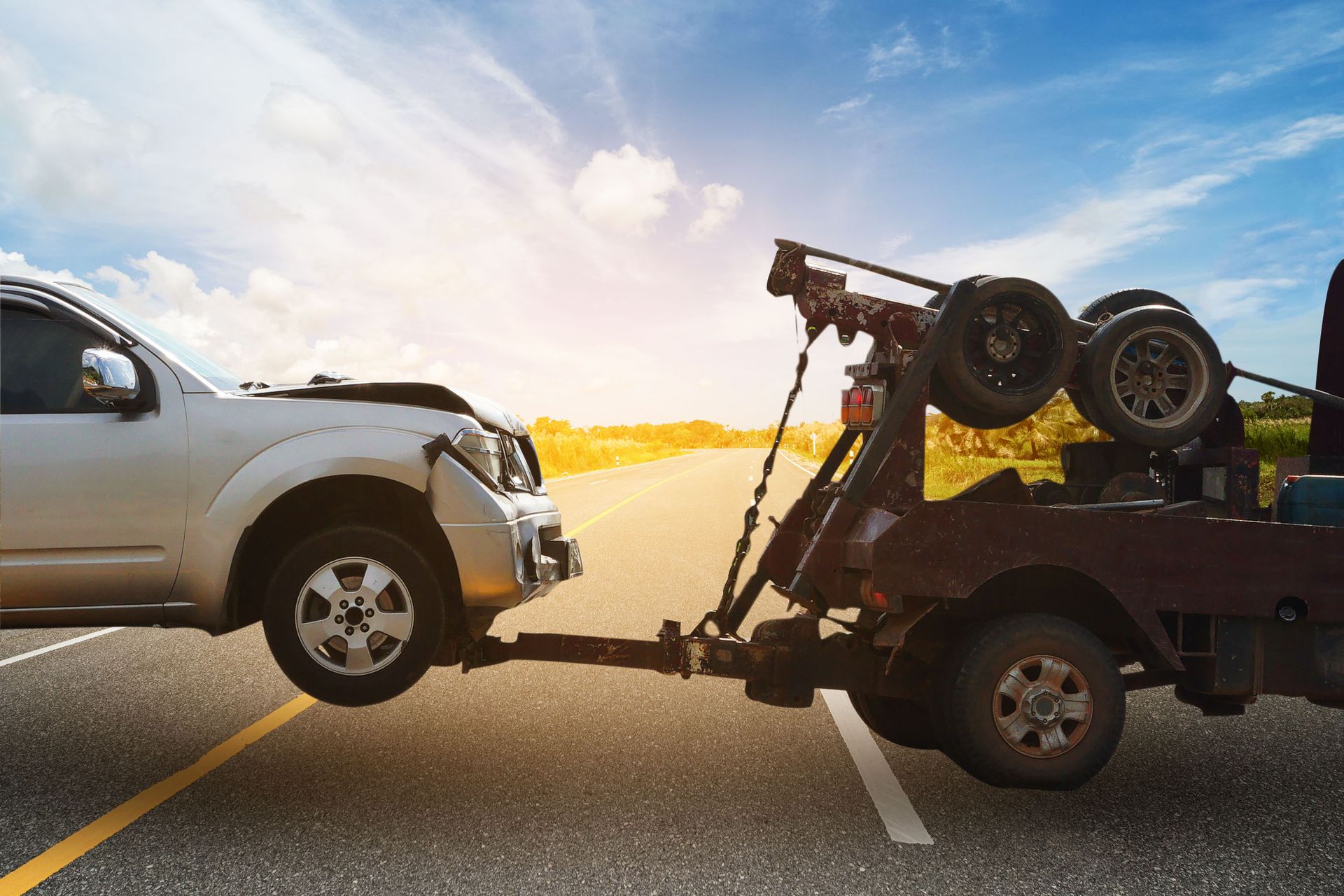
Successfully towing scrap vehicles often relies on using specialized equipment designed for robustness and precision. The choice of equipment is contingent on several factors, including vehicle size, weight, and location. Tow trucks, flatbeds, and heavy-duty dollies are commonly deployed tools that assist in efficiently lifting vehicles from difficult positions. The importance of appropriate equipment cannot be overstated as it significantly affects both safety and speed.
In scenarios involving obstructions or confined spaces, advanced machinery like winches plays a pivotal role. These winches have the ability to reel in vehicles without direct access, which is particularly beneficial in densely populated urban areas. Additionally, specialized cranes can be employed for lifting heavier vehicles or parts securely. By integrating the right tools, towing scrap services optimize their operations, ensuring swift removals even in challenging situations.
These services also emphasize the need for periodic equipment maintenance to prevent any on-the-job failures. Equipment failure can lead to increased operational costs, delays, and even accidents. Frequent checks and servicing help in keeping machinery in top form, ready for the next call. Ultimately, the synergy between skilled personnel and reliable equipment forms the foundation of effective scrap vehicle towing.
2. How Do Towing Services Handle Inaccessible or Hazardous Locations?
2.1. Remote Location Challenges
Towing scrap services often face the daunting task of removing vehicles from remote or hard-to-reach locations. Such tasks require strategic planning and patience to ensure a safe tow. In terrains like mountains, forested areas, or rural landscapes, specialized off-road vehicles and equipment become indispensable. These machines provide the traction and maneuverability needed to access these isolated sites without causing further vehicle or environmental damage.
Towing personnel must first conduct a thorough survey of the site to understand any unique challenges that may arise. Navigational complexity, coupled with adverse weather conditions, may impede straightforward access. This reconnaissance allows towing professionals to devise alternative routes and strategies to optimize safety and efficiency. Hence, the strategic use of both human judgment and machine performance lays the groundwork for successful operations.
Moreover, towing in such areas demands significant communication and coordination among team members. Remote locations may pose communication barriers due to lack of signals, making two-way radios vital for constant updates. The focus remains overwhelmingly on safety, ensuring the vehicle is towed without compromising staff or the natural surroundings. With these practices, challenging terrains become conquerable territories for seasoned towing services.
2.2. Dealing with Hazardous Materials
The presence of hazardous materials in scrap vehicles often introduces additional complexities to the towing process. Towing teams must possess the expertise to identify and safely manage substances like gasoline, antifreeze, and battery acid. Handling these elements demands precision and careful adherence to safety guidelines to avoid spills or contamination. Furthermore, quick and secure containment is necessary to transport such materials to facilities equipped for handling hazardous wastes.
In certain cases, specialized hazardous materials teams may accompany towing operations to manage the risk effectively. This practice ensures that hazardous materials are neutralized and classified correctly before disposal. Collaborations with local environmental authorities facilitate a streamlined disposal process that aligns with regulatory compliance. This methodical approach is vital to maintaining community safety and ecological responsibility.
In regions where environmental laws are stringent, towing services must keep abreast of changing regulations governing hazardous materials. Adhering to these laws not only prevents legal repercussions but also underscores the company's commitment to sustainable practice. Thus, by prioritizing the safe handling of hazardous materials, towing operations can confidently execute their duties, knowing both public and environmental safety are upheld.
3. What Are the Legal Considerations for Towing Scrap?
3.1. Licensing and Permits
Operating a towing scrap service requires adherence to legal parameters including securing the appropriate licenses and permits. These documents validate that the service operates in compliance with national and local regulations. Licensing ensures that towing personnel are adequately trained and qualified to perform their duties safely. Moreover, permits specific to certain regions enable services to conduct operations legally within prescribed zones.
Scrap towing operators must navigate a complex landscape of laws and regulations, frequently updated to adjust to industry changes. Adhering to these requirements protects companies from legal repercussions and builds customer confidence. This regulatory compliance not only reflects adherence to the law but demonstrates a commitment to ethical operational standards. Consequently, maintaining current licenses and permits anchors a towing company's reputation and trustworthiness.
Failure to comply with licensure requirements can lead to fines, revocations, or even industry bans. Hence, enterprises invest resources into ensuring they meet all current regulatory standards.
Comprehensive knowledge of these requirements and ongoing education serves as a preventative measure against legal complications. Thus, licensing and permitting become integral components of a well-regulated towing scrap business.
3.2. Environmental Regulations
Environmental regulations governing towing scrap services extend beyond vehicle dismantling to include the safe and lawful disposal of waste. Compliance with these regulations ensures towing companies minimize their ecological footprint and adhere to environmental standards. Regulation mandates span the handling of hazardous wastes, emissions management, and site impact assessments. Aligning with these standards is crucial for the sustainable operation of scrap towing firms.
Regular audits and inspections by environmental authorities are standard to ensure compliance with applicable rules. Towing companies often work closely with environmental bodies to maintain transparency and uphold high operational standards. These collaborations offer insights into best practices for waste reduction and sustainability initiatives. In doing so, towing firms reinforce their dedication to environmental stewardship and community wellbeing.
Ignoring these regulations can result in substantial fines and damage to a company's reputation. By prioritizing environmental regulations, towing scrap services become models of sustainable business practices. This vigilance in compliance reassures the public and government agencies of the company’s commitment to maintaining high environmental ethics. Hence, the diligent adherence to these regulations underscores the industry's drive towards building a sustainable future.
Towing scrap services perform far more than basic vehicle removals; they manage intricate operations that require technical expertise, regulatory knowledge, and environmental responsibility. From evaluating vehicle conditions and deploying specialized equipment to navigating hazardous materials and inaccessible locations, each step in the process is carefully designed to mitigate risk and ensure efficiency. These services rely on trained professionals, robust safety protocols, and adaptable strategies to address the unpredictable nature of scrap vehicle recovery.
Ultimately, the ability of towing scrap services to handle the toughest vehicle removals lies in their systematic approach and commitment to safety, legality, and environmental care. These operations demonstrate how experience, planning, and innovation transform complex removal challenges into structured, responsible outcomes. As vehicle disposal demands continue to evolve, towing scrap services remain essential partners in maintaining safe environments and promoting sustainable resource management. Reach out to Sunrise Salvage & Transport to see how we can help!