June 5, 2026
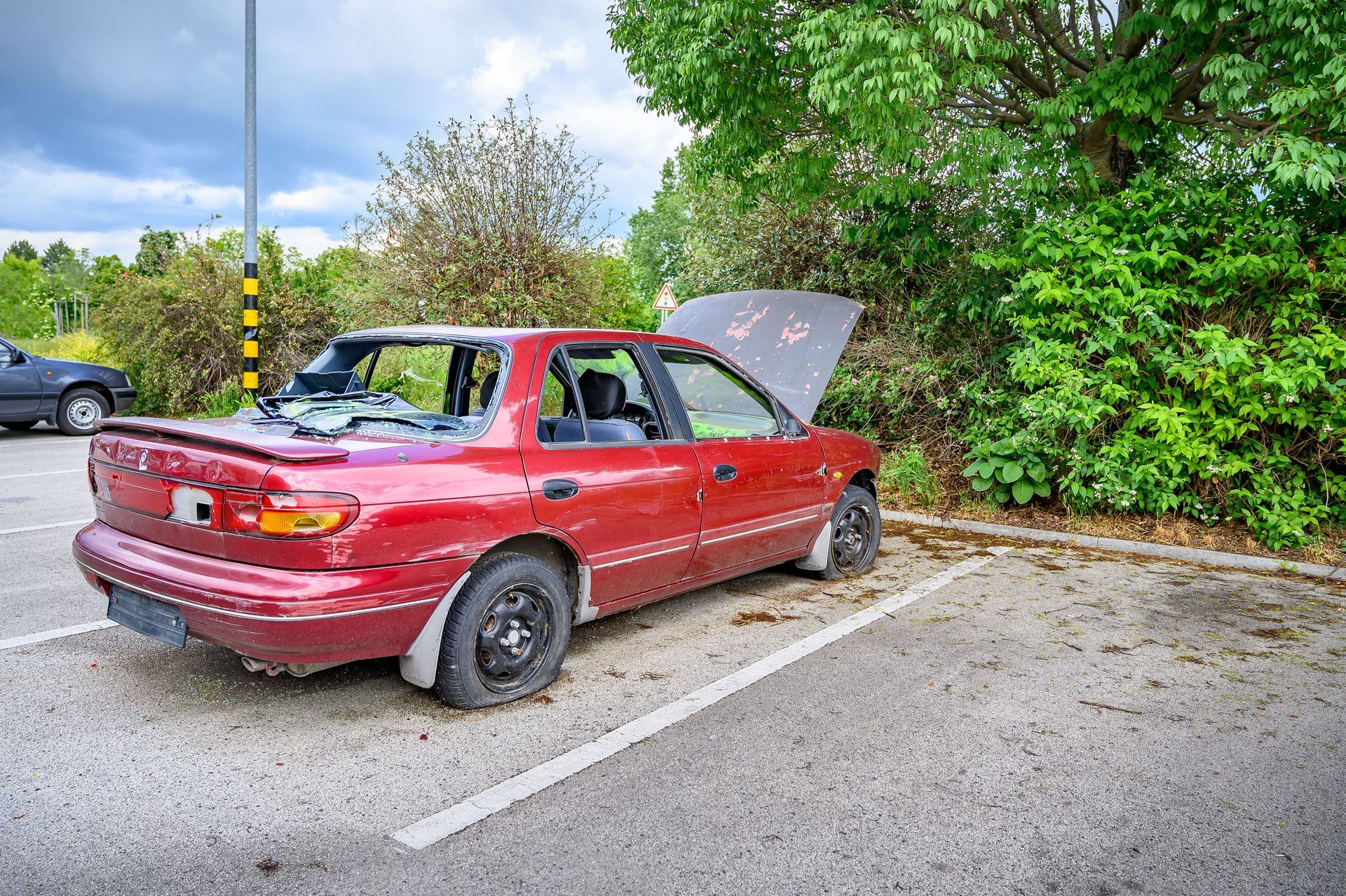
The process of automotive recycling turns old, damaged vehicles into valuable resources for future manufacturing. When a vehicle reaches the end of its operational lifespan, its journey does not simply end in a landfill. Instead, the vehicle goes through a highly structured sequence of environmental and industrial processes. Choosing a professional junk car removal service initiates this clean journey, ensuring that hazardous waste is managed responsibly while maximizing the retrieval of valuable raw materials.
According to reports from LookupAPlate, approximately 12 million vehicles undergo recycling every year within the United States, meaning that an average of 26 automobiles are processed each minute. This massive scale highlights the critical role that automotive salvaging plays in modern waste management and resource conservation. When property owners arrange for a professional vehicle disposal, they actively participate in a sustainable loop that preserves natural resources, reduces mining demands, and prevents toxic chemicals from degrading local ecosystems.
Collect and Transport End-of-Life Vehicles
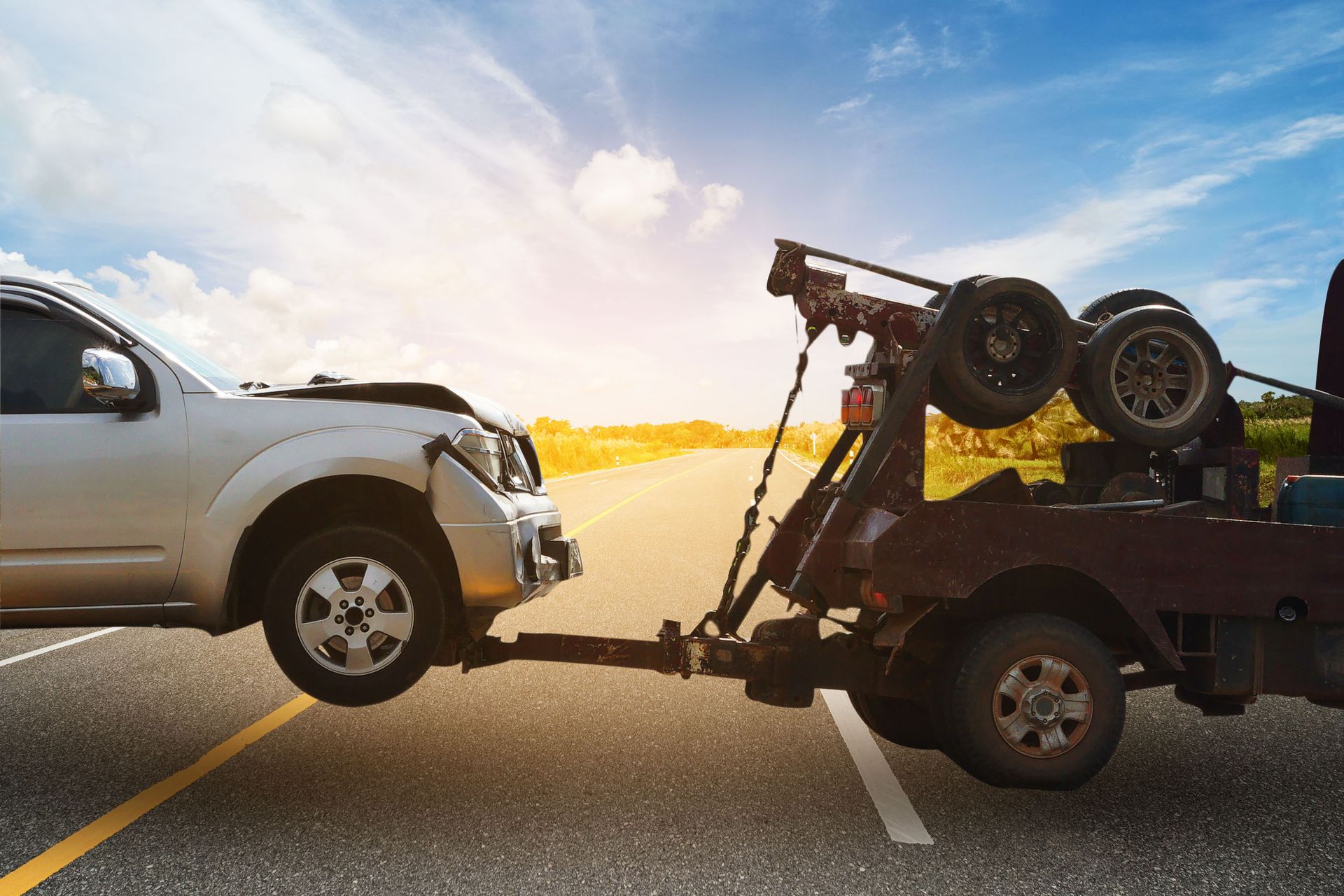
The recycling journey begins when a vehicle owner decides to clear space on their property. Owners typically contact a local facility to schedule a convenient pickup time. Experienced logistics teams coordinate these requests, arranging specialized towing equipment to retrieve vehicles regardless of their operational condition. This initial phase of junk car removal is designed to be seamless, providing a smooth experience that encourages community members to dispose of old vehicles responsibly.
Before the vehicle is loaded, ownership verification must be completed. This step requires checking identification and ensuring the proper transfer of titles or registration documents. Verifying credentials protects against vehicle theft and guarantees compliance with state regulations. Clear documentation maintains system integrity, ensuring every processed vehicle is tracked legally from its origin point to its final destination.
Once ownership verification is complete, transport teams secure the vehicle onto a flatbed trailer. Safe transit requires adherence to strict transportation guidelines to prevent road hazards during the journey. Strategic route planning helps logistics coordinators minimize travel times and lower fuel consumption during transport. Efficient hauling methods reinforce the environmental goals of the junk car removal sector by keeping transit emissions low.
Upon arrival at the yard, technicians conduct a comprehensive receiving inspection to document the physical condition of the automobile. This inspection clarifies which components remain intact and determines the best processing path. Specialists evaluate the structural integrity of the frame and log any visible damage. This baseline assessment ensures that future dismantling operations can proceed safely and efficiently based on accurate vehicle data.
The final step of the intake phase involves entering all gathered inspection notes into a centralized digital database. Meticulous recordkeeping ensures long-term operational accountability and helps the facility maintain strict compliance with environmental monitoring standards. These records track the vehicle through every subsequent phase of its transformation. Maintaining precise data helps facilities optimize material workflows and provides clear transparency for auditing agencies.
Assess and Depollute Salvaged Vehicles
Before any physical dismantling occurs, the vehicle must undergo a meticulous depollution phase to eliminate environmental risks. Technicians execute a detailed evaluation to isolate hazardous compounds from salvageable mechanical parts. This specific stage of junk car removal focuses heavily on safety, ensuring that toxic materials are identified before heavy machinery handles the vehicle structure. This preparation prevents dangerous substances from contaminating the workshop floor or escaping.
Draining internal fluids is a primary task during the safe depollution process. Mechanics systematically extract engine oil, coolant, transmission fluid, and brake fluid using specialized vacuum systems. These liquids are collected in secure containment tanks to prevent earth contamination or water pollution. Once captured, the fluids are either sent to specialized purification plants for refining or neutralized safely according to strict ecological disposal standards.
After fluids are drained, technicians focus on removing components that contain heavy metals or chemical hazards. Items like mercury switches and lead components require deliberate handling and isolation to prevent environmental exposure. Workers use specialized safety gear to extract these items without compromising containment. Partnering with certified waste management specialists ensures that these dangerous materials are processed correctly, mitigating long-term ecological impacts.
Airbags and batteries require unique disposal protocols due to their volatile and toxic characteristics. Airbags contain explosive propellant materials that must be safely deployed or removed by trained specialists to prevent workplace injuries. Vehicle batteries contain lead and acid, which pose severe chemical risks if punctured. Salvage facilities secure these batteries in protected storage areas before shipping them to dedicated facilities where components are recycled.
The completion of the depollution phase is marked by issuing an official safety certification. This documentation confirms that the vehicle is entirely free of hazardous fluids and toxic materials, meeting environmental regulatory standards. Obtaining this clearance allows the vehicle to move into heavy dismantling zones safely. The certification serves as a vital record of compliance, proving that the facility prioritizes environmental stewardship throughout operations.
Dismantle and Recycle Recovered Vehicles
Once the vehicle is cleared of hazards, the physical dismantling begins with separating reusable mechanical parts. Technicians carefully extract functioning components like engines, alternators, and transmissions that can be cleaned and resold. Reclaiming these working parts extends their usability and supports a circular economy. This phase of junk car removal transforms potential waste into high-quality, affordable replacement parts for other active vehicles.
After removing mechanical parts, workers focus on harvesting valuable raw metals from the remaining chassis. Vehicles contain significant amounts of steel, aluminum, and copper that are highly sought after by industrial manufacturers. Specialists separate these metals using advanced tools to maximize the purity of the recovered batches. Collecting these elements provides domestic industries with essential materials while decreasing the environmental energy required to mine virgin ores.
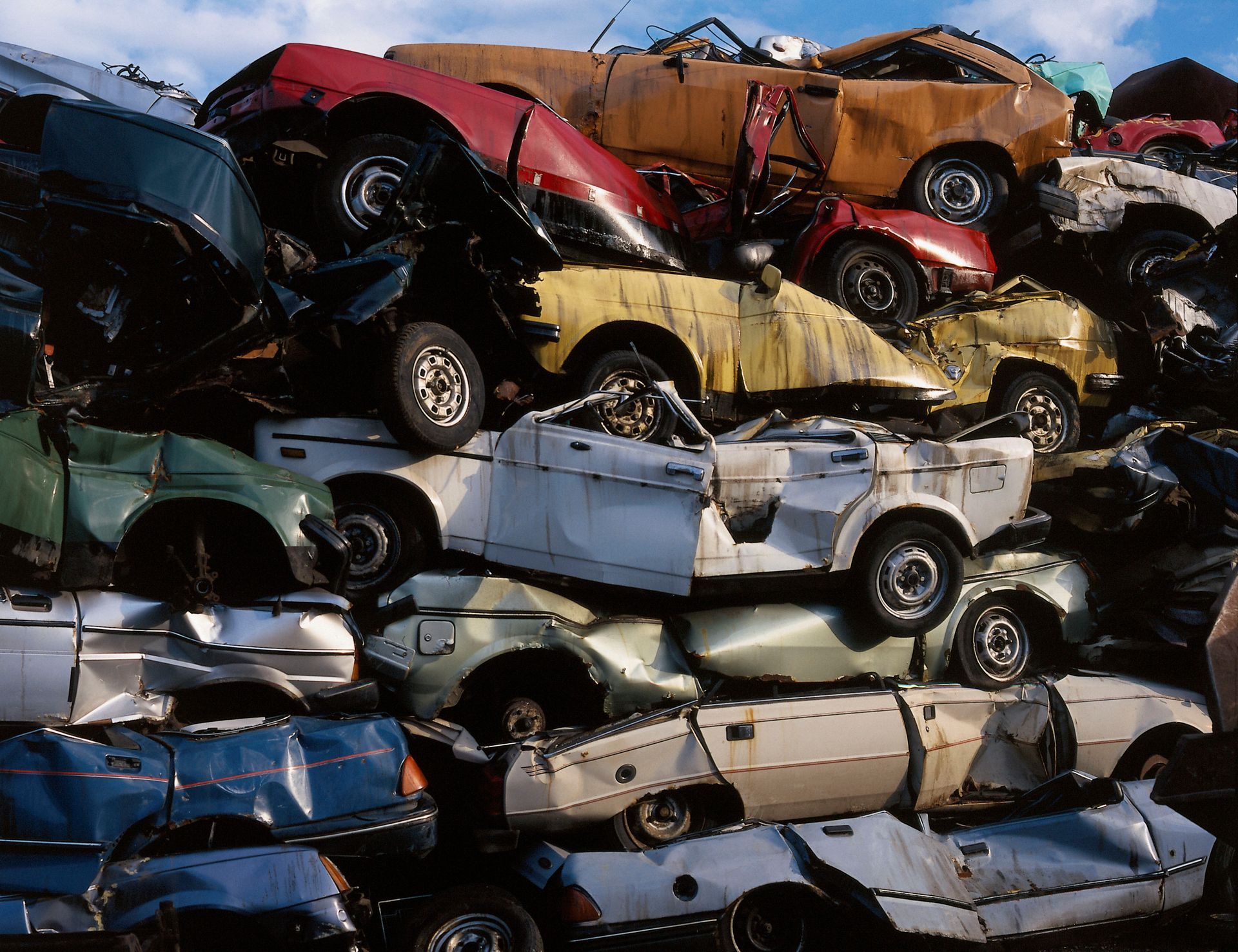
The remaining stripped metal shell is then sent into an industrial shredder for heavy-duty processing. This powerful machinery reduces the massive vehicle frame into small metal fragments within moments. Magnetic separators and automated sorting systems then isolate ferrous metals from non-ferrous materials with high accuracy. This mechanized sorting ensures that different metal types are cleanly segregated, preparing them for the next phase of industrial processing.
The sorted metal fragments are transported to specialized smelting foundries to undergo melting and purification. High-temperature furnaces melt down the scraps, allowing technicians to filter out remaining impurities or non-metallic residues. The molten metal is then cast into standardized sheets or ingots, ready to enter the commercial supply chain. This refining process uses significantly less energy than producing raw metal from scratch, offering major ecological benefits.
The refined metal ingots are purchased by manufacturing companies to build completely new consumer products. These recycled materials are used extensively in the automotive sector, construction projects, and appliance manufacturing. By incorporating salvaged metals into production lines, companies substantially lower their carbon emissions and reliance on resource extraction. This successful integration demonstrates how end-of-life automobiles feed directly back into creating sustainable consumer goods.
The complete recycling journey demonstrates that an old vehicle maintains significant ecological and economic value even after its driving days are over. From initial towing to final manufacturing reuse, every phase prevents pollution and conserves natural resources. Opting for a certified junk car removal service ensures that every piece of your vehicle is processed with care, transforming an eyesore into a sustainable asset.
By understanding this process, vehicle owners can make responsible decisions that protect local ecosystems while supporting green manufacturing industries. Choosing a reputable service guarantees that your automobile contributes directly to this efficient, resource-saving loop rather than sitting in a landfill. If you are ready to dispose of an old vehicle and support environmental conservation, contact us at Sunrise Salvage & Transport so we can help you through our junk car removal options.